
News
“Science for Society” – Research That Makes a Difference
Best Practice at the Doctoral Centre for Applied Computer Science
How is social media changing our society? How can we tackle hate speech and misinformation? How can we ensure that everyone has appropriate access to information? And how can we improve health and quality of life in later life?
Guided by the overarching theme “Science for Society”, a range of research projects at the Doctoral Centre for Applied Computer Science (PZAI) address these very questions – research that responds to societal challenges and opens up new perspectives for the future.
Knowledge for Everyone – Using AI to Tackle Misinformation and Barriers
Society is increasingly confronted with hate speech and incitement, as well as deliberately disseminated misinformation. In response to these challenges, two doctoral research projects at the PZAI explore how artificial intelligence can help detect misinformation automatically. The projects focus both on detecting AI-generated misinformation and on investigating how hate spreads across digital networks. Their aim is to develop approaches that deepen our understanding of digital communication spaces and contribute to effective strategies for combating misinformation and discrimination.
However, social participation also depends on information being accessible to as many people as possible. Another research effort therefore explores how artificial intelligence and natural language processing can help transform texts into Easy-to-Read (E2R) language. Among other things, the approach aims to make information more accessible to people with cognitive or intellectual disabilities. Together, these projects demonstrate how research can help make information more reliable, comprehensible and accessible – thereby strengthening participation in society.
Research for Healthy, Independent Living at All Ages
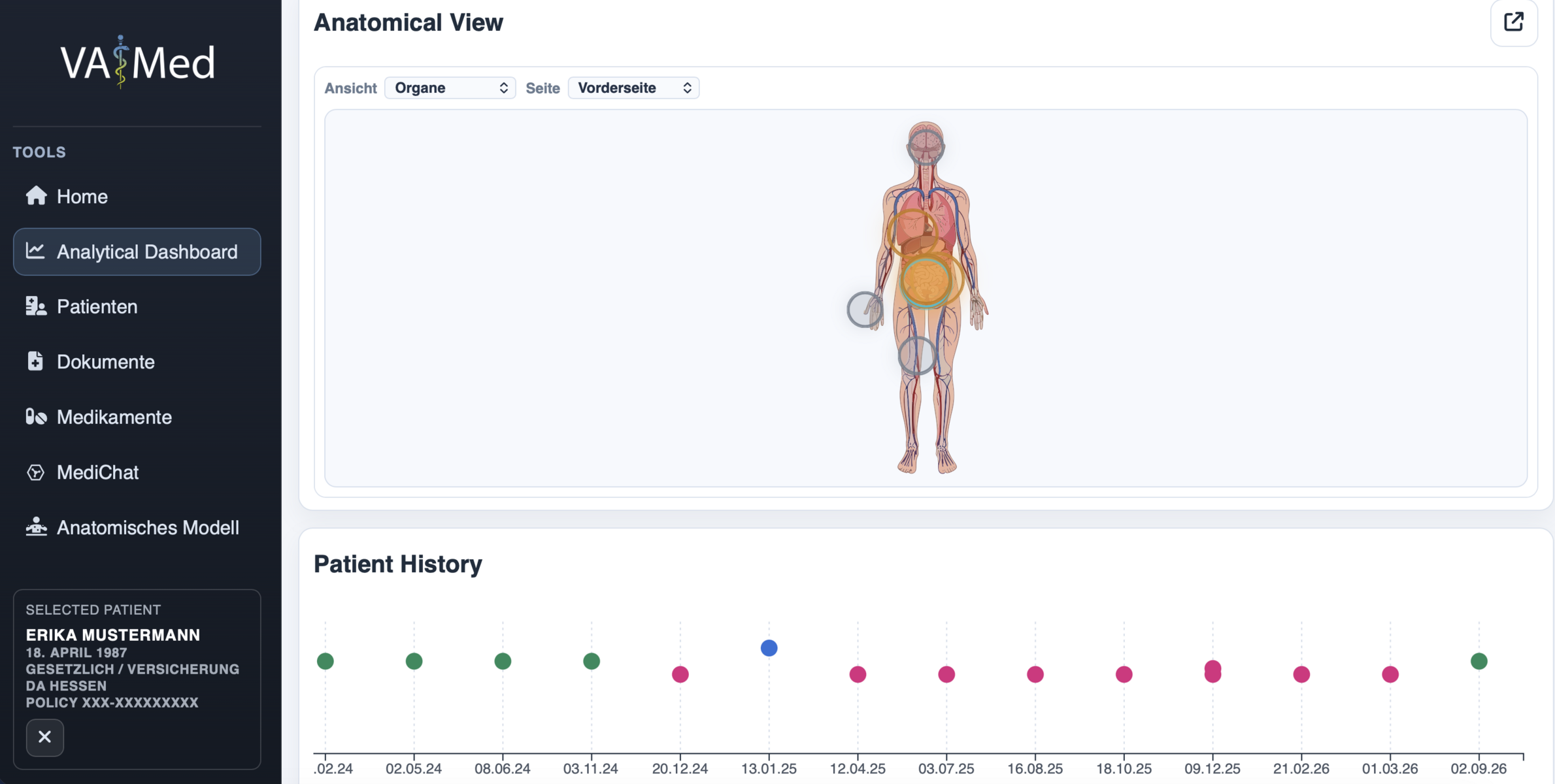
Putting people at the heart of healthcare – this is what effective, future-oriented medical care is all about. Yet doctors are increasingly faced with vast amounts of health data that need to be processed quickly and translated into meaningful information for patient care. A doctoral research approach is exploring how artificial intelligence can help meet this challenge. A Medical Visual Analytics System is being developed to bring together different types of health data and present them in a clear and intuitive way. By making medical findings, medication and changes in a patient’s health easier to identify, the system aims to support doctors in making informed decisions – while keeping the underlying information transparent and comprehensible.
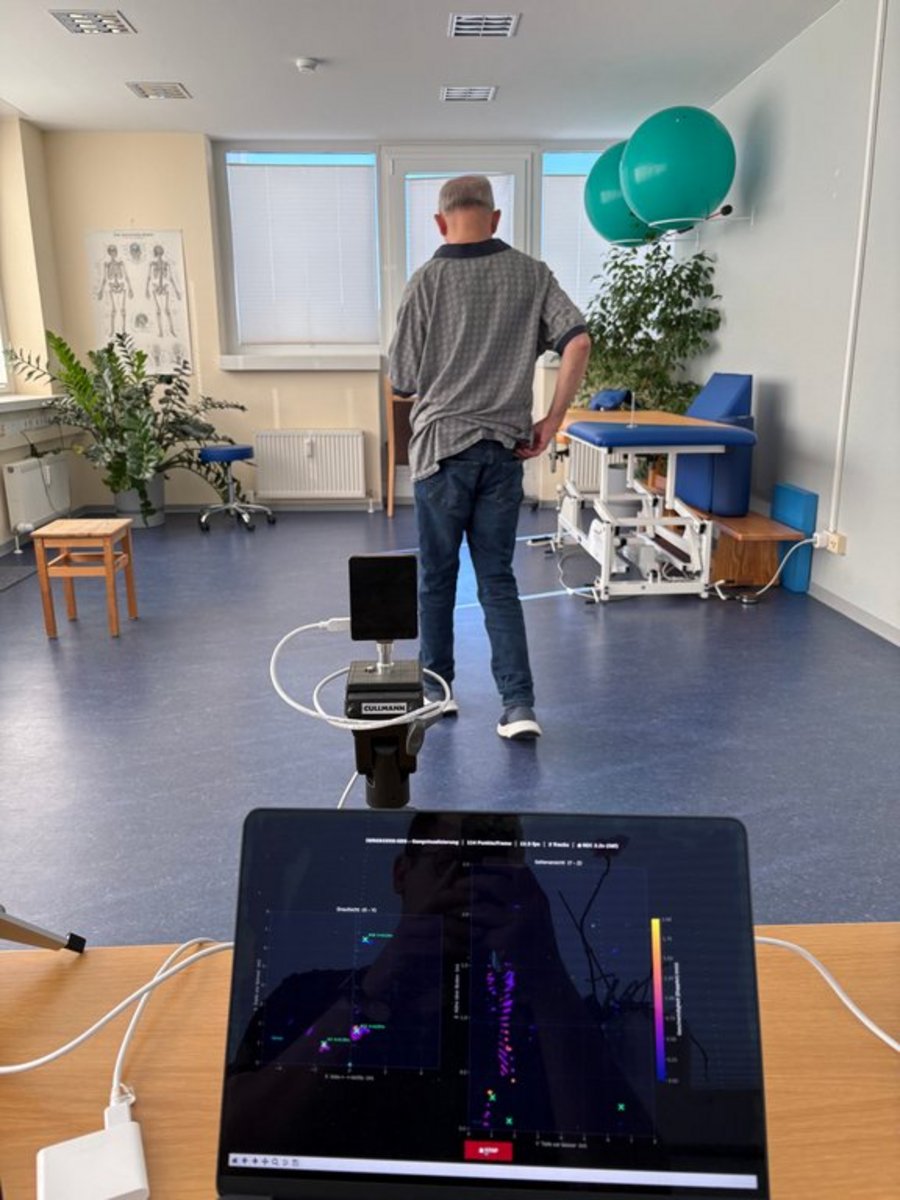
Intelligent technology can also play an important role in helping older people maintain their health and independence for longer. One line of doctoral research is exploring how microwave radar technology can be used to detect falls reliably and at an early stage. By continuously analysing movement and its context, the technology aims to distinguish genuine falls from everyday activities and reduce false alarms. This could help ensure that older people live safely in their familiar surroundings for longer, while also improving care and support in residential care facilities.
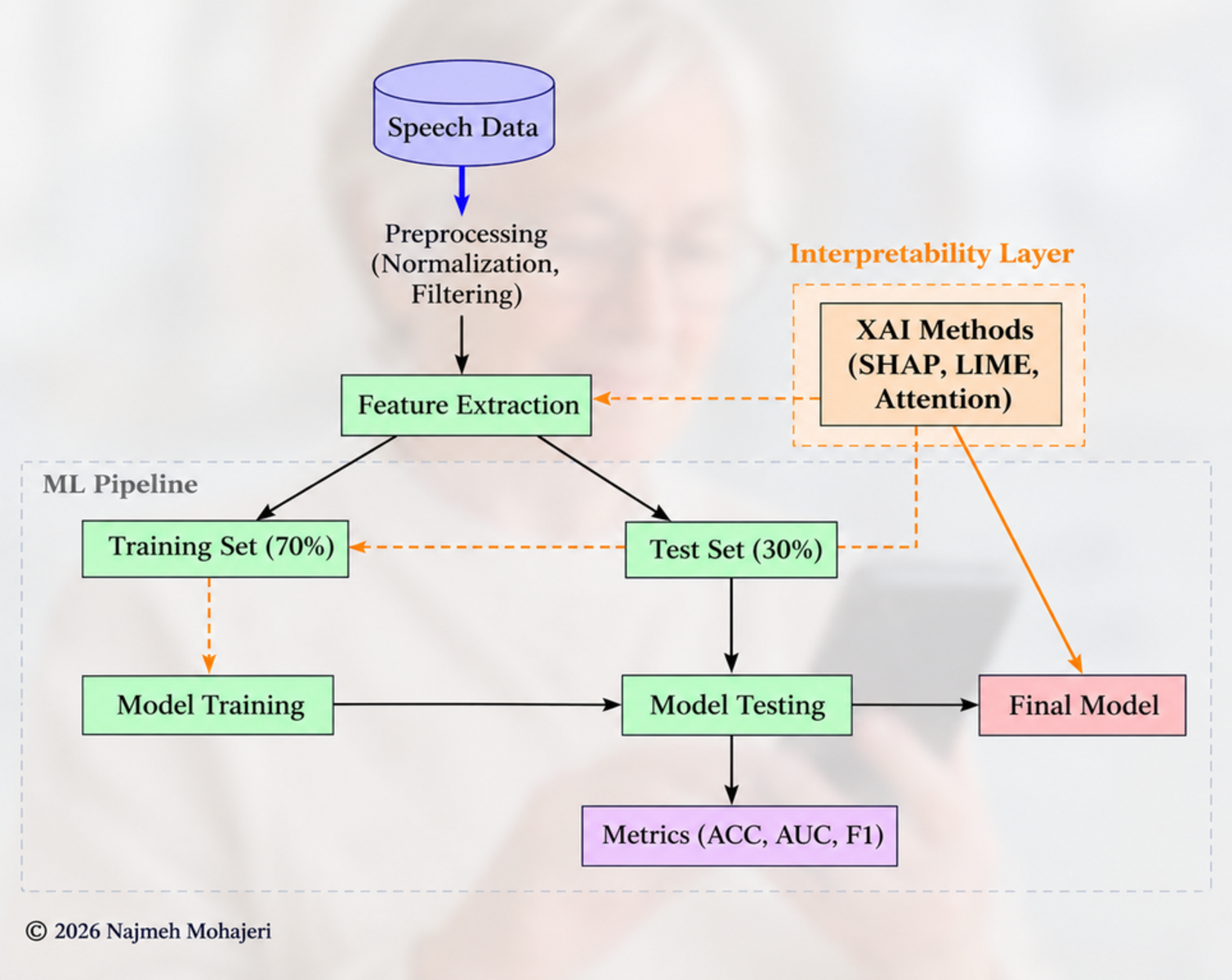
Going one step further, another line of research aims to identify age-related deficits at an even earlier stage. The project aims to detect Parkinson’s disease at an earlier stage. As the condition can manifest itself in the very beginning through changes in speech, researchers are exploring how speech data can be analysed using artificial intelligence as the basis for non-invasive screening. The approach combines medically interpretable speech features with a method that enables multiple institutions to jointly train AI models without having to exchange sensitive voice recordings. This opens up new possibilities for developing AI-supported screening methods while protecting the privacy of those affected.
The selected work at the PZAI demonstrates how scientific innovation can address some of the key challenges facing society today – from misinformation and digital inclusion to health, safety and independent living in later life.
What unites these endeavours is a shared commitment to connecting cutting-edge research with tangible societal benefits and developing solutions for the challenges of today and tomorrow. In this way, research becomes a driving force for innovation and positive change in society.
AI-Assisted Analysis Against Disinformation – An Interview with Dr Mina Schütz
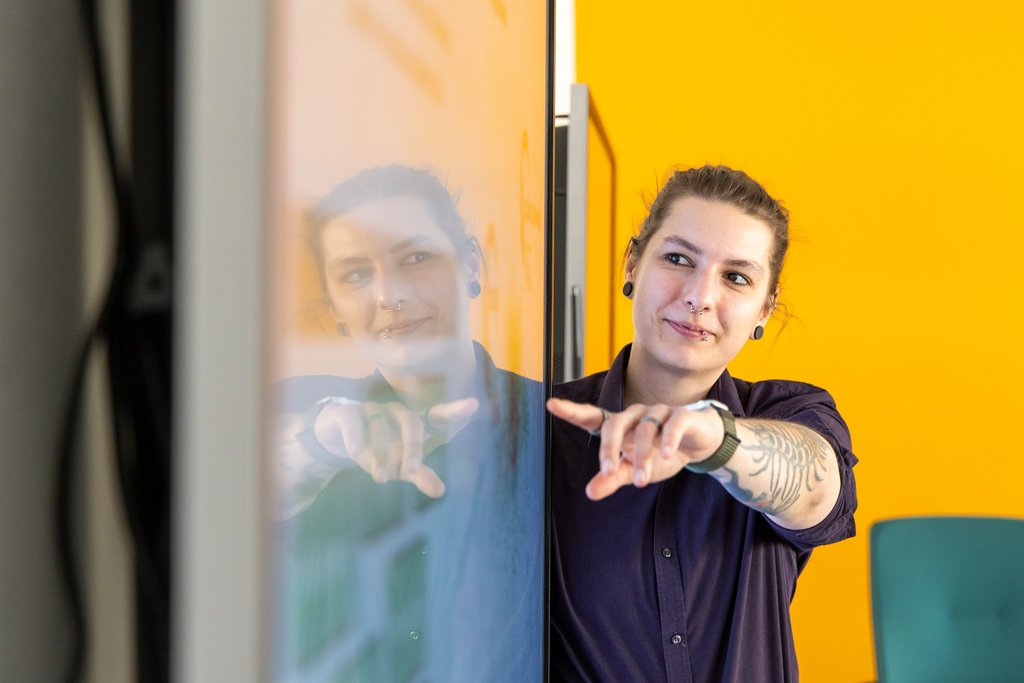
Hate speech, disinformation and AI-generated content are by no means confined to debates on social media any longer; they are increasingly shaping our everyday social reality as well. In this interview, PZAI alumna Dr Mina Schütz discusses why uncertainty is growing as authentic and manipulated information becomes ever more difficult to distinguish. She explains why her analysis tool, DisDETECT, can be a valuable instrument for editorial teams, academia and politics alike. Schütz also offers insights into the technical architecture behind the tool, which works with numerous AI models and visual analytics. This conversation vividly demonstrates how precise such systems already are today, and why human judgement remains indispensable in the decision-making process. Read more ...
Applied Machine Intelligence
Special Interest Group of the Doctoral Centre for Applied Computer Science (PZAI)
The Doctoral Centre for Applied Computer Science (PZAI) brings together more than 100 doctoral candidates from four Universities of Applied Sciences in Hesse, advancing interdisciplinary research at the forefront of applied computer science. Within the Special Interest Group (SIG) Applied Machine Intelligence, researchers investigate a broad spectrum of Artificial Intelligence topics — ranging from machine learning and computer vision to digital twins and robotics — with a strong focus on robust methods and real-world implementation.
Advancing AI Research to Solve Societal Challenges
At PZAI, we believe that AI can make a tangible difference in society. Our projects tackle complex challenges across conservation, healthcare, manufacturing, and beyond, combining research excellence with societal impact.
Examples of Applied Machine Intelligence Research in Action
Biodiversity and Conservation
Reliable data is the foundation for effective conservation strategies. One doctoral project focuses on understanding and protecting endangered species. Collaborating with research partners across Europe and Africa, the researcher applies computer vision methods to generate population estimates and develop tools to monitor animal populations. This approach allows ecologists to make informed decisions and implement targeted measures to counteract global biodiversity decline.
Industrial AI and Production Optimization
Smart Manufacturing
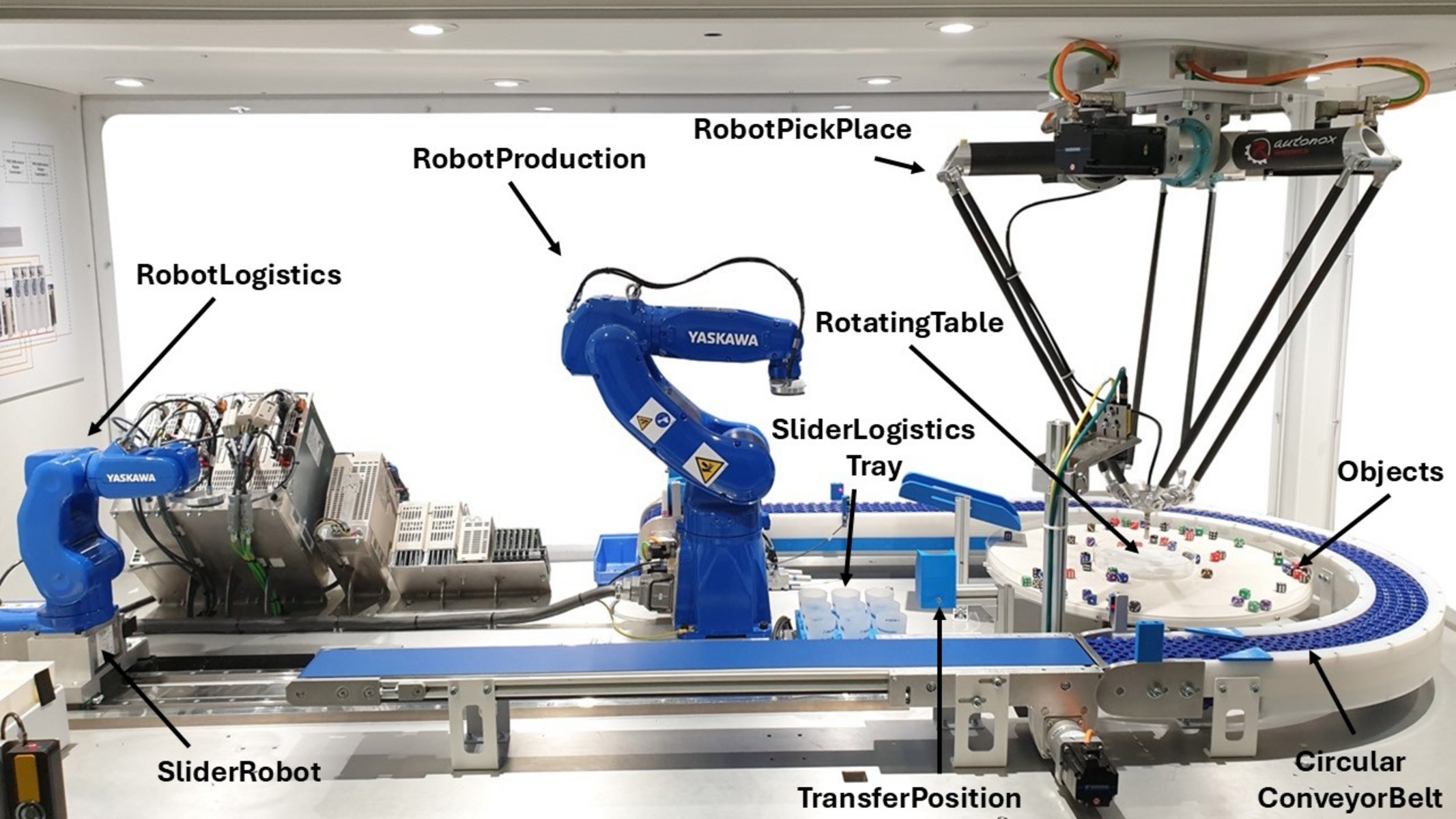
A doctoral candidate works with a global leader in industrial robotics to develop AI methods for early detection of faults in machines and manufacturing processes. The project addresses complex production environments, heterogeneous equipment, and limited computing power and data transmission rates. Close collaboration with the industry partner ensures that solutions are practical, scalable, and ready for real-world deployment.
Nonwoven Materials Production
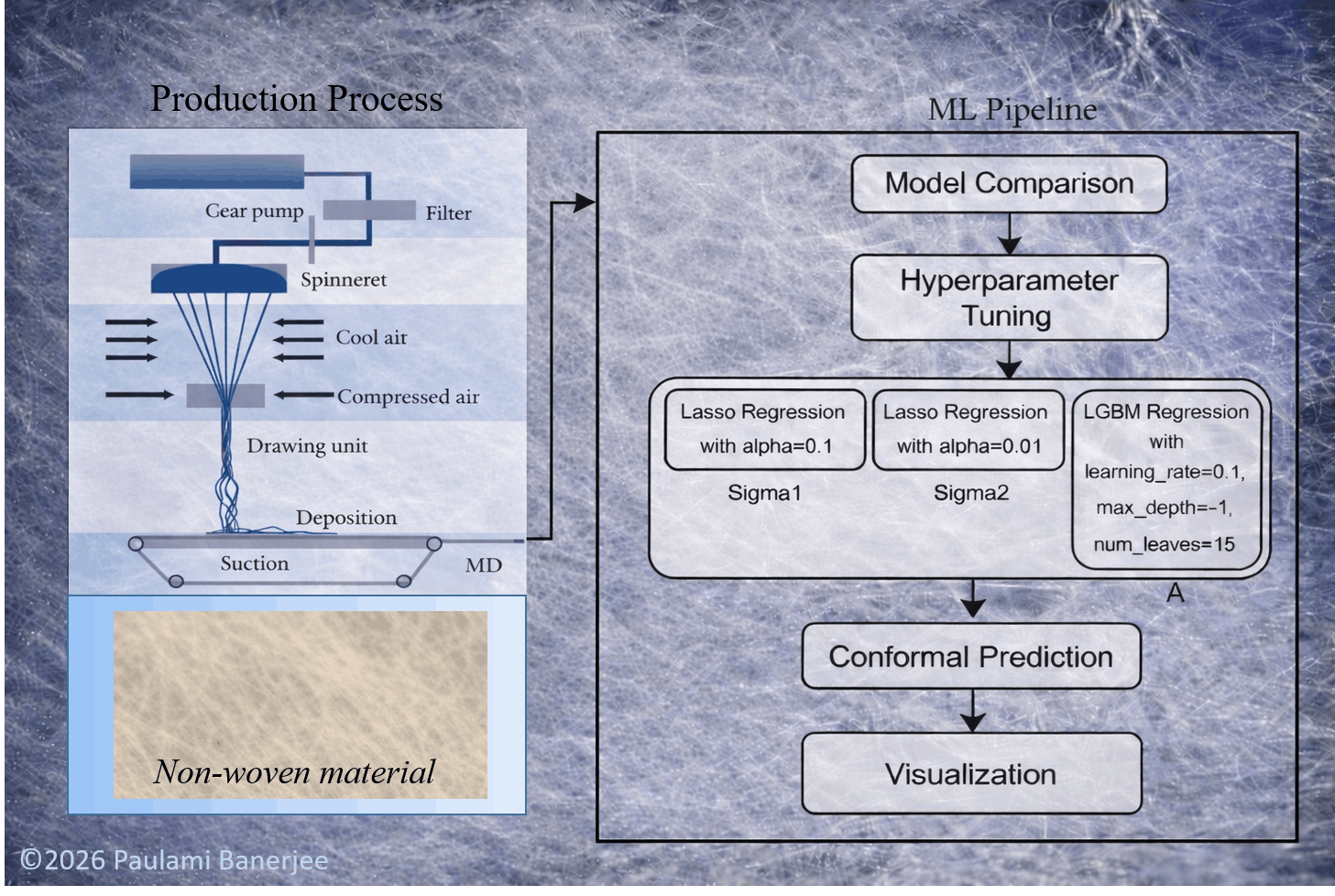
Another project focuses on optimizing the production of nonwoven materials used in medical masks, automotive filters, and hygiene products. The researcher combines domain-specific expertise with informed machine learning, digital twins, and both simulated and real production data to model each stage of the manufacturing process in detail. The resulting insights enable manufacturers to improve product quality, reduce waste, and meet growing industry demand efficiently.
AI in Mental Health
Rising mental health challenges place increasing strain on healthcare systems worldwide. In collaboration with psychotherapists from several clinics, a doctoral researcher develops AI-based approaches to analyze therapy progress and provide actionable insights for both patients and therapists. This work supports more efficient, personalized care and helps alleviate the shortage of qualified mental health professionals.
Driving Impact Aligned with the United Nations SDGs
Research at PZAI addresses a wide range of societal, technological, and economic challenges that reflect the United Nations Sustainable Development Goals (SDGs), including (2) Zero Hunger; (3) Good Health and Well-Being; (4) Quality Education; (5) Gender Equality; (7) Affordable and Clean Energy; (8) Decent Work an Economic Growth; (9) Industry, Innovation, and Infrastructure; (10) Reduced Inequalities; (11) Sustainable Cities and Communities; and (13) Climate Action. By combining extensive expertise in AI with application-oriented research, doctoral projects exemplify innovative research while creating measurable societal impact.