
Aktuelles
“Science for Society” – Forschung, die Gesellschaft bewegt
Best Practice am Promotionszentrum Angewandte Informatik
Wie verändert Social Media unsere Gesellschaft? Wie können wir Hetze und Falschinformationen begegnen? Wie kann man sicherstellen, dass alle Menschen geeigneten Zugang zu Informationen haben? Und wie können wir Gesundheit und Lebensqualität im Alter verbessern? Unter dem Leitmotiv „Science for Society“ widmen sich eine Reihe von Promotionsprojekten genau diesen Fragen – mit Forschung, die gesellschaftliche Herausforderungen aufgreift und neue Perspektiven für die Zukunft eröffnet.
Wissen für alle – mit KI gegen Desinformation und Barrieren
Die Gesellschaft sieht sich zunehmend mit Hass und Hetze sowie gezielt verbreiteten Falschinformationen konfrontiert. Zwei Promotionsprojekte am PZAI beschäftigen sich daher mit der Frage, wie Künstliche Intelligenz helfen kann, Desinformation automatisiert zu erkennen. Im Fokus stehen dabei sowohl die Erkennung KI-generierter Desinformation als auch die Untersuchung der Verbreitung von Hass in digitalen Netzwerken. Die Projekte suchen nach Ansätzen, um digitale Kommunikationsräume besser zu verstehen und wirksame Strategien gegen Desinformation und Diskriminierung zu entwickeln.
Doch gesellschaftliche Teilhabe setzt auch voraus, dass Informationen für möglichst viele Menschen zugänglich sind. Ein weiterer Forschungsansatz untersucht deshalb, wie Verfahren der Künstlichen Intelligenz und der automatischen Sprachverarbeitung dabei unterstützen können, Texte in leicht verständliche (Easy-to-Read) Sprache zu übertragen. Der Ansatz soll unter anderem Menschen mit kognitiven oder intellektuellen Beeinträchtigungen den Zugang zu Informationen erleichtern. Gemeinsam zeigen die Projekte, wie Forschung dazu beitragen kann, Informationen verlässlicher, verständlicher und zugänglicher zu machen – und damit gesellschaftliche Teilhabe zu stärken.
Forschung für ein gesundes und selbstbestimmtes Leben
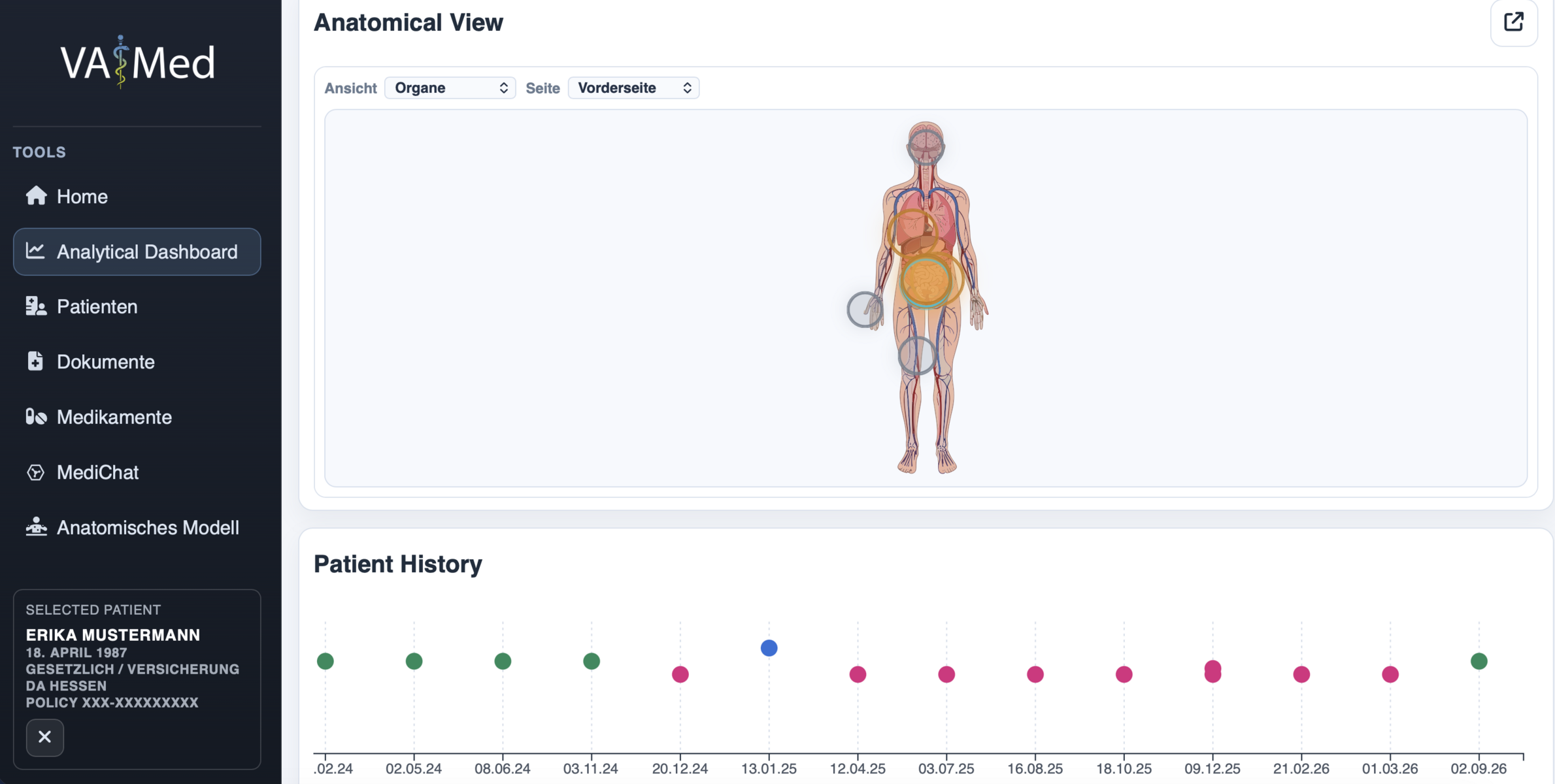
Eine gute Gesundheitsversorgung braucht vor allem eines: den Menschen im Blick. Gleichzeitig stehen Ärztinnen und Ärzte zunehmend vor der Herausforderung, große Mengen an Gesundheitsdaten schnell zu erfassen und daraus die relevanten Informationen für die Behandlung abzuleiten. Ein Dissertationsvorhaben entwickelt zu diesem Zweck ein Medical Visual Analytics System. Es soll mithilfe Künstlicher Intelligenz unterschiedliche Gesundheitsdaten zusammenführen und so aufbereiten, dass Befunde, Medikation und medizinische Entwicklungen schneller erfasst werden können – transparent und nachvollziehbar für die behandelnden Ärztinnen und Ärzte.
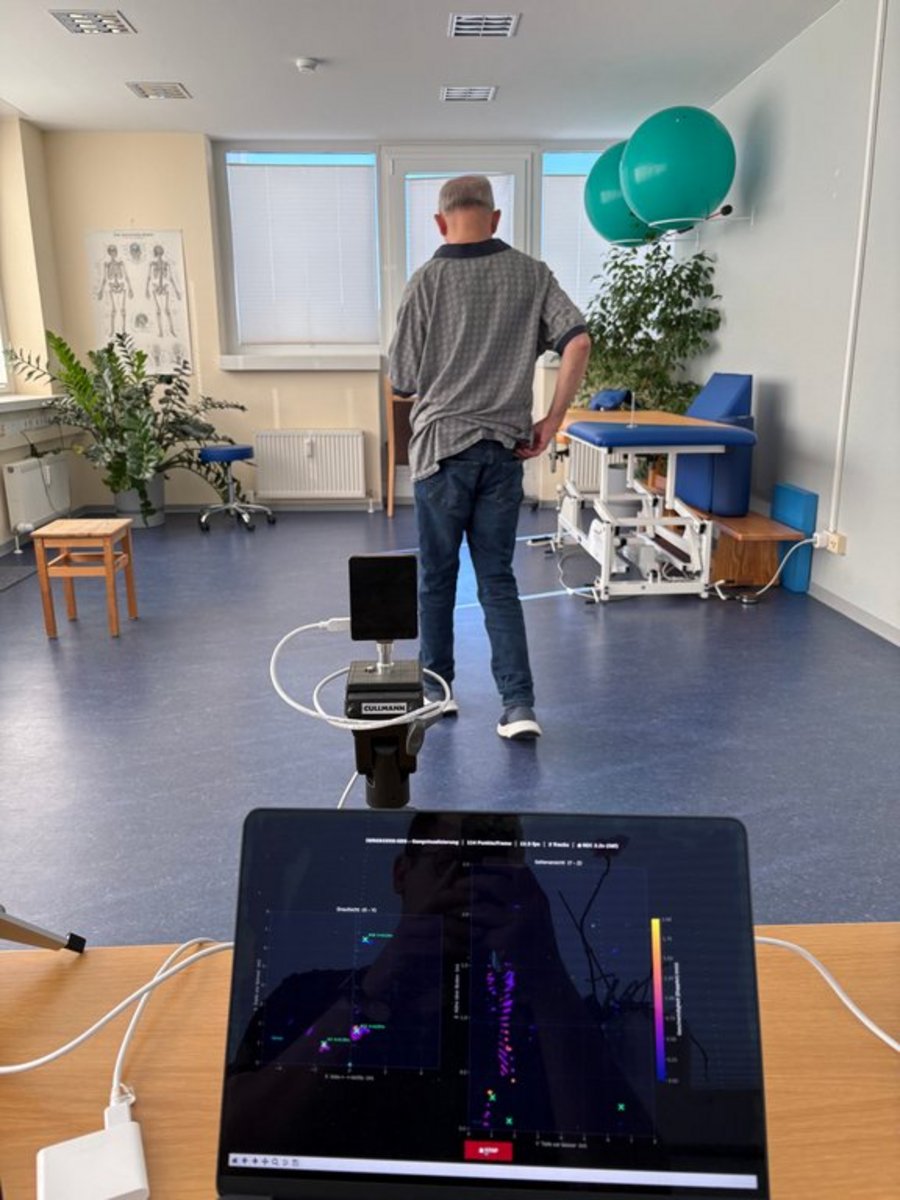
Auch im Alltag älterer Menschen kann intelligente Technologie dazu beitragen, Gesundheit und Selbstständigkeit länger zu erhalten. Aus diesem Grund untersucht ein Forschungsprojekt, wie sich Stürze mithilfe von Mikrowellen-Radartechnologie zuverlässig vermeiden und erkennen lassen. Durch die kontinuierliche Analyse von Bewegungen und deren Kontext sollen Fehlalarme reduziert und tatsächliche Stürze schneller erkannt werden. So könnte die Technologie dazu beitragen, dass ältere Menschen länger sicher in ihrer vertrauten Umgebung leben können und zugleich die Betreuung in Pflegeeinrichtungen verbessert wird.
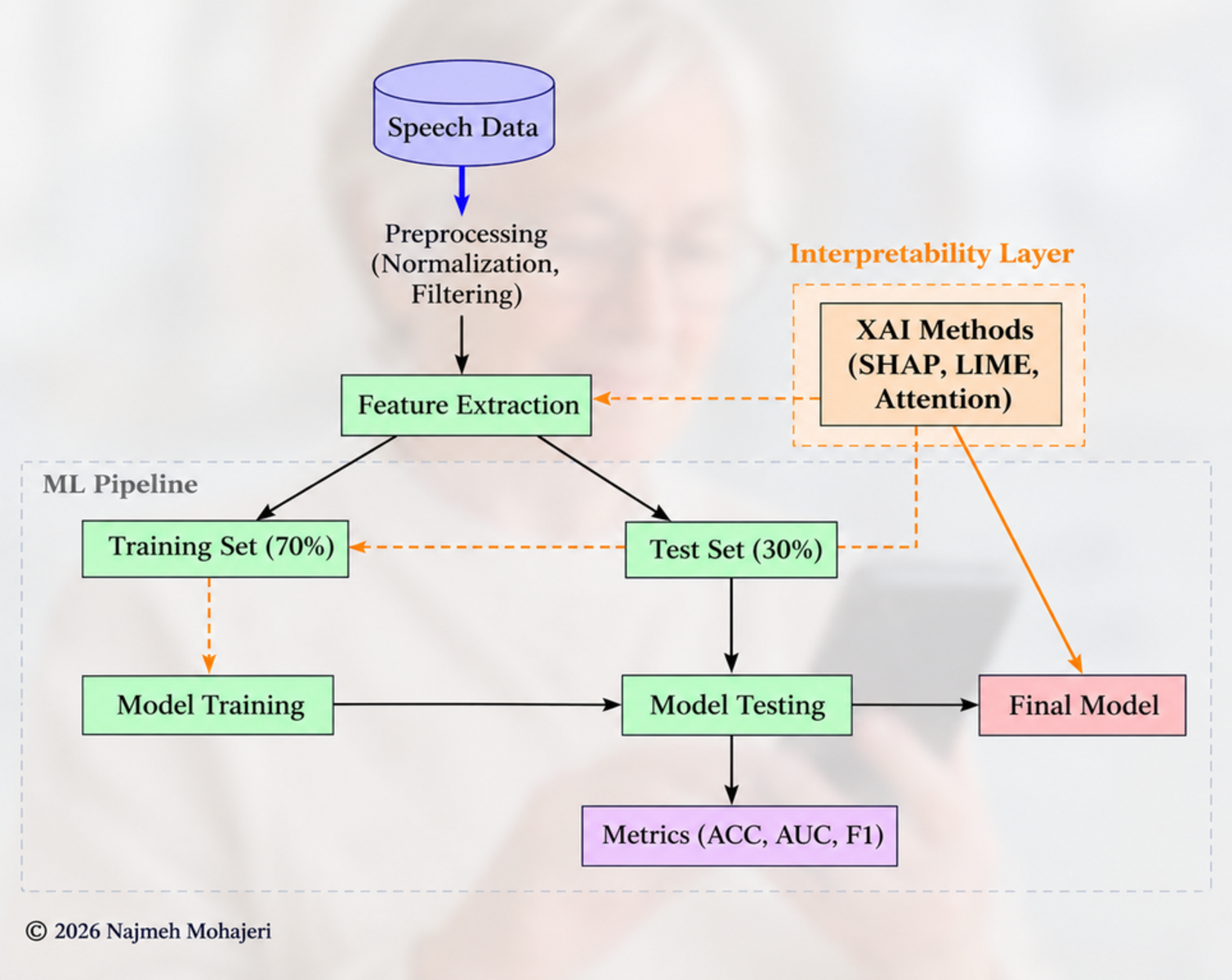
Noch früher ansetzen möchte ein weiteres Forschungsunterfangen zur Parkinson-Erkennung. Da sich die Erkrankung bereits früh durch Veränderungen der Sprache bemerkbar machen kann, wird untersucht, wie Sprachdaten mithilfe Künstlicher Intelligenz als Grundlage für ein nicht-invasives Screening genutzt werden können. Dabei verbindet der Ansatz medizinisch interpretierbare Sprachmerkmale mit einem Verfahren, bei dem mehrere Einrichtungen gemeinsam Modelle trainieren können, ohne sensible Sprachaufnahmen auszutauschen.
Die ausgewählten Arbeiten am PZAI zeigen, wie wissenschaftliche Innovation konkrete gesellschaftliche Herausforderungen adressiert – von Desinformation und digitaler Teilhabe bis hin zu Gesundheit, Sicherheit und einem selbstbestimmten Leben im Alter.
Gemeinsam verbindet sie der Anspruch, Forschung mit gesellschaftlichem Nutzen zu verknüpfen und Lösungen für die Herausforderungen von heute und morgen zu entwickeln und wird so zu Forschung, die Menschen unmittelbar zugutekommt.
KI-gestützte Analyse gegen Desinformation – Dr. Mina Schütz im Interview
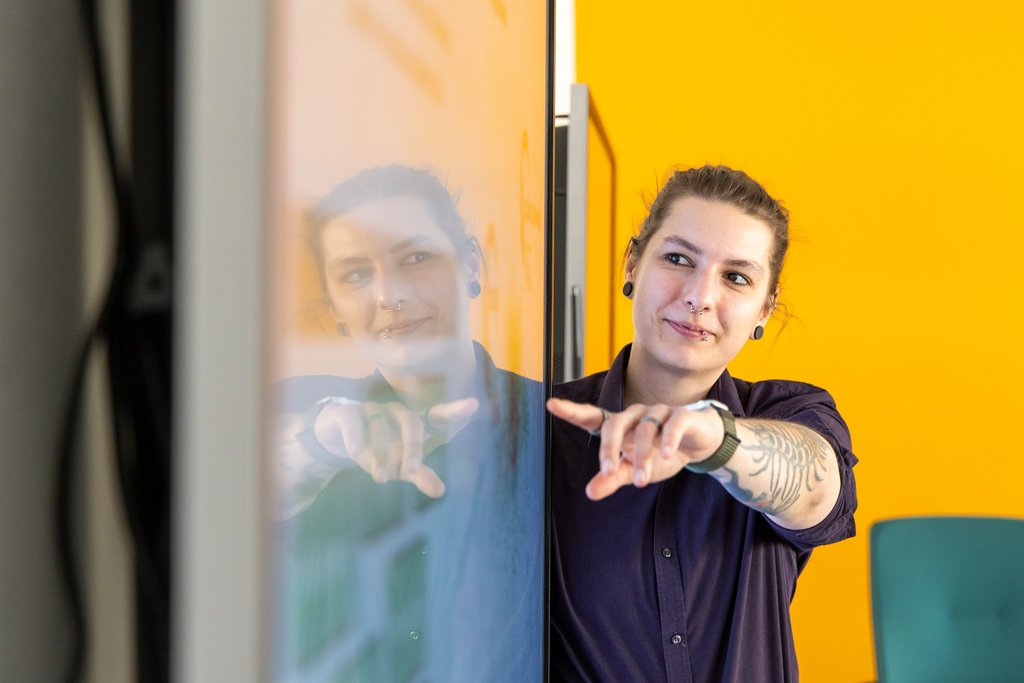
Hassrede, Desinformation und KI-generierte Inhalte prägen längst nicht mehr nur die Debatten in den sozialen Medien, sondern zunehmend auch unseren gesellschaftlichen Alltag. Im Interview spricht die Absolventin des PZAI Dr. Mina Schütz darüber, warum die Verunsicherung wächst, wenn echte und manipulierte Informationen immer schwerer auseinanderzuhalten sind. Sie erklärt, weshalb ihr Analyse-Tool DisDETECT gerade für Redaktionen, Wissenschaft und Politik ein wertvolles Instrument sein kann. Schütz gewährt zudem Einblicke in die technische Architektur hinter dem Tool, das mit zahlreichen KI-Modellen und Visual Analytics arbeitet. Wie präzise solche Systeme heute schon sind und warum der Mensch im Entscheidungsprozess unersetzlich bleibt, zeigt dieses Gespräch eindrucksvoll. Mehr lesen ...
Applied Machine Intelligence
Special Interest Group des Promotionszentrums Angewandte Informatik (PZAI)
Das Promotionszentrum Angewandte Informatik (PZAI) vereint mehr als 100 Promovierende aus vier Hochschulen für Angewandte Wissenschaften in Hessen und fördert interdisziplinäre Forschung in innovativen Bereichen der Angewandten Informatik. Innerhalb der Special Interest Group (SIG) Applied Machine Intelligence befassen sich die Forschenden mit einem breiten Spektrum an Themen der Künstlichen Intelligenz — von Maschinellem Lernen und Computer Vision bis hin zu Digitalen Zwillingen und Robotik. Im Mittelpunkt stehen dabei robuste Methoden sowie deren praxisnahe Umsetzung in realen Anwendungsszenarien.
KI-Forschung zur Bewältigung gesellschaftlicher Herausforderungen
Am PZAI vertreten wir die Überzeugung, dass Künstliche Intelligenz einen konkreten Mehrwert für die Gesellschaft schaffen kann. Unsere Projekte adressieren komplexe Herausforderungen in den Bereichen Naturschutz, Gesundheitswesen, Produktion und weiteren Anwendungsfeldern. Dabei verbinden wir ausgewiesene Forschungsstärke mit gesellschaftlicher Relevanz.
Beispiele für Applied Machine Intelligence in der Praxis
Biodiversität und Naturschutz
Verlässliche Daten sind eine wesentliche Grundlage für wirksame Naturschutzstrategien. Ein Promotionsvorhaben befasst sich mit der Erforschung und dem Schutz gefährdeter Tierarten. In Kooperation mit Forschungspartnern in Europa und Afrika werden Computer-Vision-Verfahren eingesetzt, um Populationsschätzungen zu erstellen und Werkzeuge zur systematischen Erfassung und Überwachung von Tierbeständen zu entwickeln. Dieser Ansatz schafft die Grundlage für fundierte wissenschaftliche Bewertungen und unterstützt Ökologinnen und Ökologen dabei, gezielte Maßnahmen zur Eindämmung des weltweiten Biodiversitätsverlusts zu entwickeln und umzusetzen.
Industrielle KI und Produktionsoptimierung
Smart Manufacturing
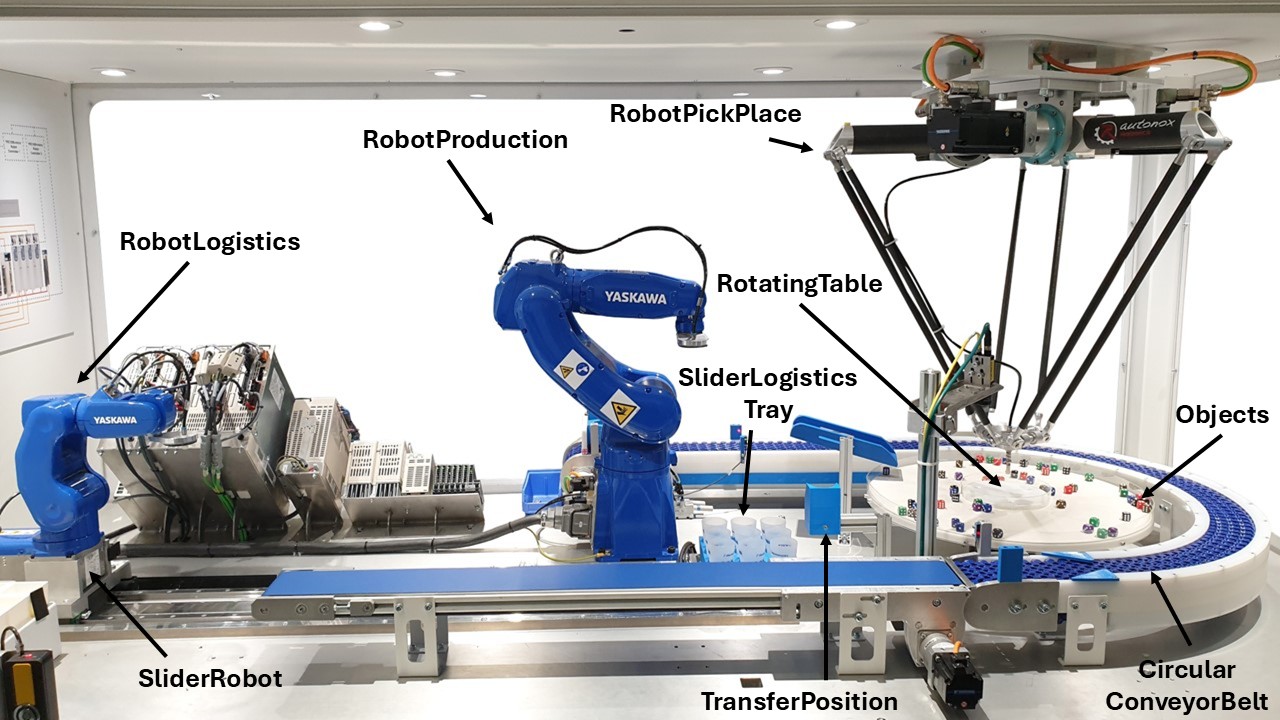
Ein Promotionsprojekt wird in Zusammenarbeit mit einem weltweit führenden Unternehmen im Bereich der Industrierobotik durchgeführt und zielt auf die Entwicklung von KI-Methoden zur frühzeitigen Erkennung von Fehlern in Maschinen und Produktionsprozessen ab. Dabei werden komplexe Produktionsumgebungen, heterogene Anlagenstrukturen und Protokolle sowie begrenzte Rechenkapazitäten und Datenübertragungsraten berücksichtigt. Die enge Kooperation mit dem Industriepartner stellt sicher, dass die entwickelten Lösungen praxisnah, skalierbar und für den Einsatz unter realen Bedingungen geeignet sind.
Produktion von Vliesstoffen
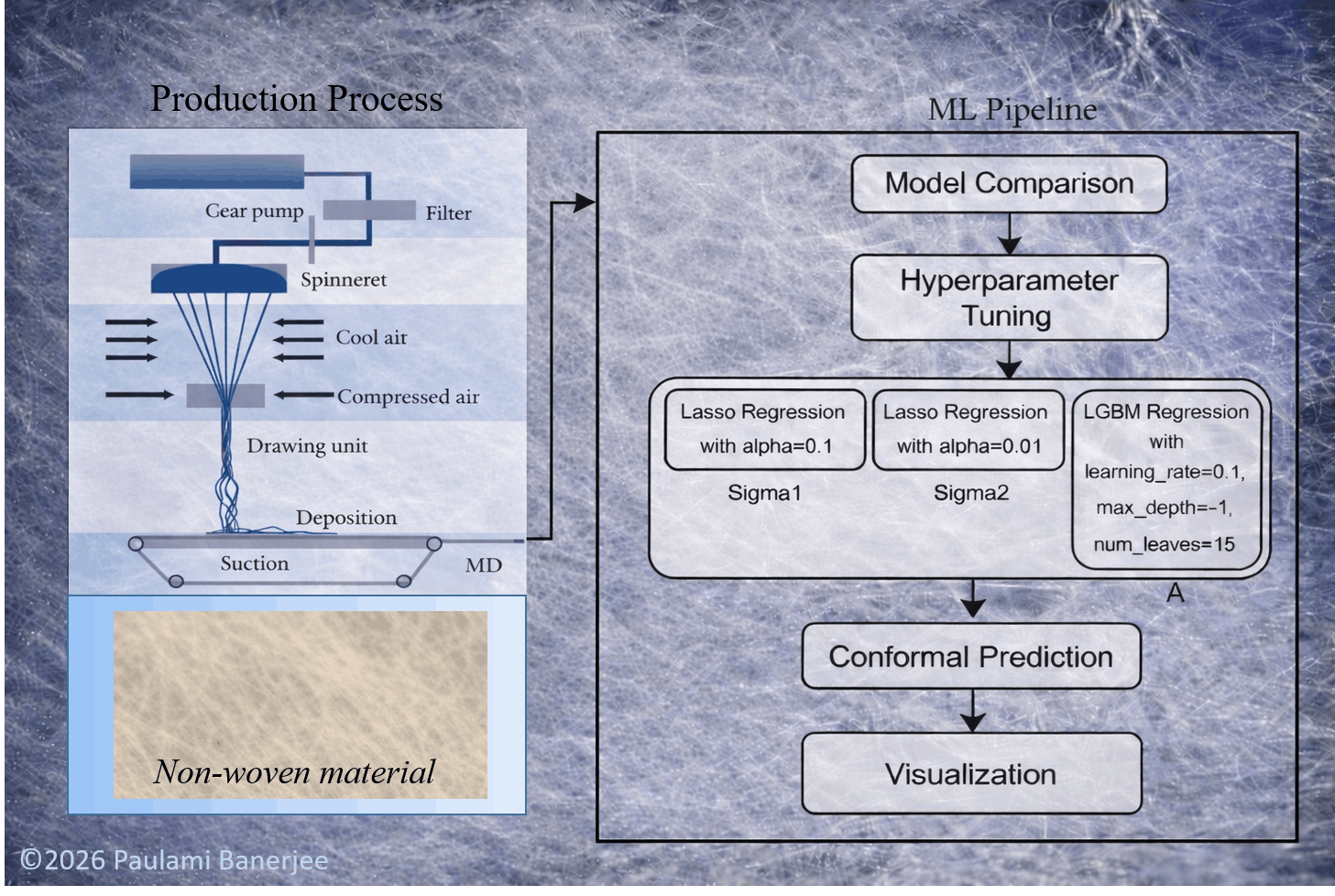
Ein weiteres Projekt widmet sich der optimierten Herstellung von Vliesstoffen, die unter anderem in medizinischen Masken, Automobilfiltern und Hygieneprodukten eingesetzt werden. Die Doktorandin verbindet anwendungsspezifische Expertise mit Methoden des Informed Machine Learning, digitalen Zwillingen sowie simulierten und realen Produktionsdaten, um jeden Schritt des Herstellungsprozesses detailliert zu modellieren. Die so gewonnenen Erkenntnisse ermöglichen es Herstellern, die Produktqualität zu verbessern, Ausschuss zu reduzieren und die steigende Nachfrage nach Vliesstoffen effizient zu bedienen.
KI im Bereich psychische Gesundheit
Die zunehmenden Herausforderungen im Bereich der psychischen Gesundheit belasten Gesundheitssysteme weltweit. In enger Zusammenarbeit mit Psychotherapeutinnen und Psychotherapeuten aus mehreren Kliniken entwickelt eine Doktorandin KI-basierte Verfahren, um den Verlauf von Therapien auszuwerten und sowohl Patientinnen und Patienten als auch Therapeutinnen und Therapeuten praxisnahe Handlungsempfehlungen zu liefern. Auf diese Weise leistet die Arbeit einen Beitrag zu einer effizienteren, individuell zugeschnittenen Versorgung und hilft, dem Mangel an qualifizierten Fachkräften im Bereich psychischen Gesundheit entgegenzuwirken.
Beitrag zu den Nachhaltigkeitszielen der Vereinten Nationen
Die Forschung am PZAI befasst sich mit vielfältigen gesellschaftlichen, technologischen und wirtschaftlichen Fragestellungen im Kontext der Nachhaltigkeitsziele der Vereinten Nationen (Sustainable Development Goals, SDGs). Hierzu zählen insbesondere: (2) Kein Hunger, (3) Gesundheit und Wohlergehen, (4) Hochwertige Bildung, (5) Geschlechtergleichheit, (7) Bezahlbare und saubere Energie, (8) menschenwürdige Arbeit und Wirtschaftswachstum, (9) Industrie, Innovation und Infrastruktur, (10) Weniger Ungleichheiten, (11) Nachhaltige Städte und Gemeinden sowie (13) Maßnahmen zum Klimaschutz.
Durch die Verbindung ausgewiesener Expertise im Bereich der Künstlichen Intelligenz mit anwendungsorientierter Forschung leisten die Promotionsvorhaben im Bereich Applied Machine Intelligence einen Beitrag zur Weiterentwicklung innovativer Lösungsansätze und tragen zugleich zur Bewältigung zentraler gesellschaftlicher Herausforderungen bei.