In Conversation: Perspectives from the Academic Advisory Board
In Conversation: Perspectives from the Academic Advisory Board
The Academic Advisory Board brings together a wealth of expertise and independent perspectives to help shape the PZAI’s future development. It supports the Centre’s academic direction and advises its leadership on key strategic matters.
What inspired the members to join the Board? In their own words, they explain what motivated them to get involved, what they hope to contribute and the experience they bring to the PZAI.
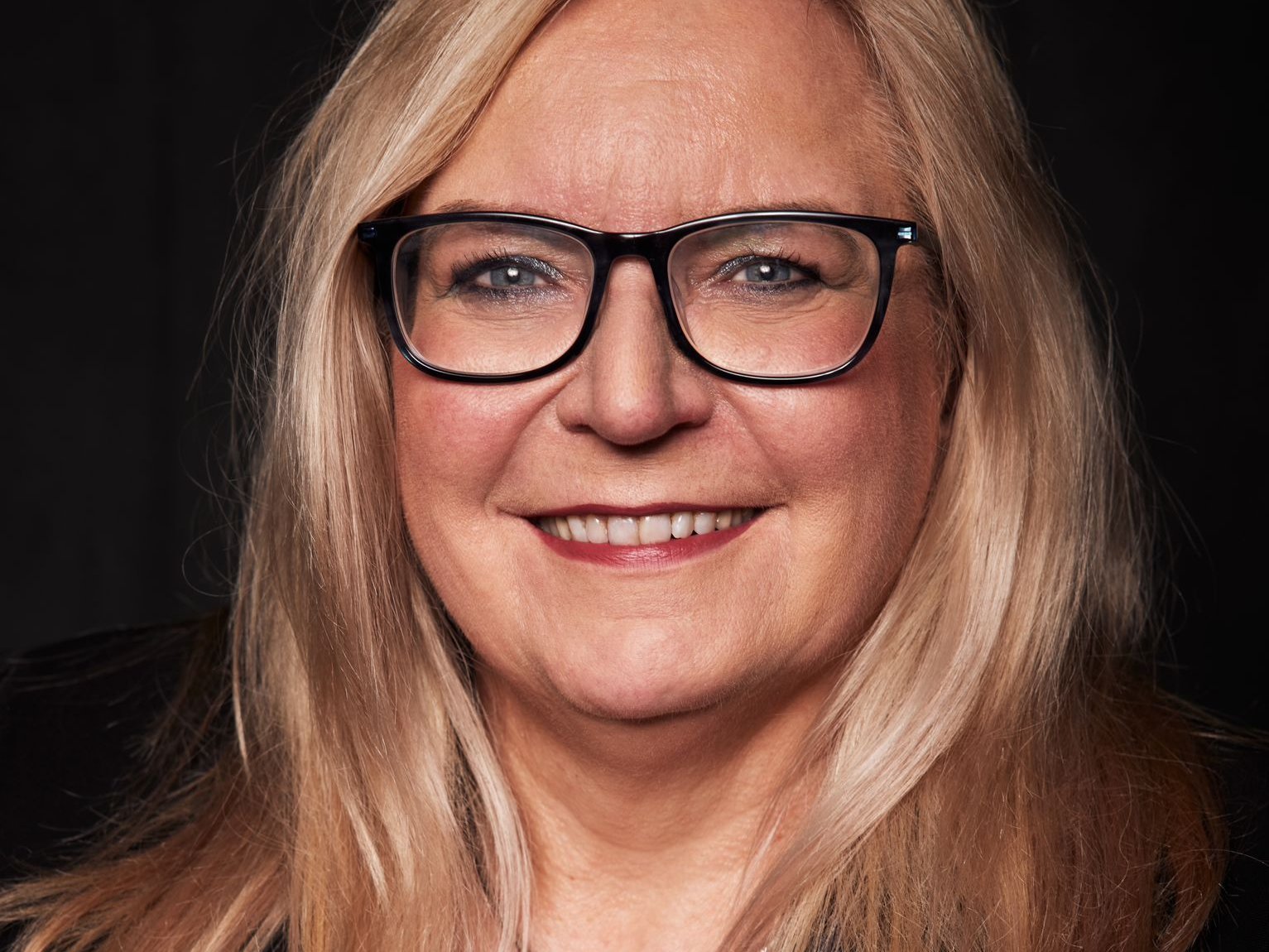
Marika Lulay, Non-Executive Director (former CEO GFT SE)
Why do you consider the existence of specialised doctoral centres at universities of applied sciences to be important?
In computer science in particular, many innovations are emerging at the interface between academia and industry. Universities of applied sciences (HAWs) have established themselves as high-performing research institutions. Specialised doctoral centres provide the appropriate framework for this and combine academic excellence with a strong practical focus. Doctoral centres also enhance Hesse’s appeal to talented individuals, researchers and innovative companies.
What do you personally see as your most important role on the advisory board (e.g. strategic advice, networking, quality assurance)?
I would like to help ensure that doctoral centres at universities of applied sciences are recognised for what they are: centres of excellent research with direct benefits for business and society. To this end, I contribute the industry’s perspective and my practical experience.
What are your expectations regarding collaboration with the centre’s members, and how do you intend to fulfil them?
I expect open dialogue, academic excellence and a willingness to make research accessible to those outside the academic world. For my part, I would like to help highlight the added value that the doctoral centre brings to business, society and Hesse as a centre of innovation. The centre’s members contribute a variety of specialist perspectives and experiences. I see this diversity as a great strength.
Dirk Pesch, Professor of Computer Science, University College Cork

From your perspective: What makes the Doctoral Centre for Applied Computer Science particularly distinctive?
The PZAI is a collaboration between four universities of applied sciences, bringing together a broad spectrum of researchers in the field of applied computer science. This opens up a wide range of opportunities for multidisciplinary collaboration. Doctoral candidates benefit from supervision by professors with diverse areas of expertise, thereby receiving the broadest possible support for their research projects. Furthermore, the universities’ close ties to industry enable doctoral candidates to undertake a practice-oriented doctorate, in which the research can have a greater impact on industry than in many traditional university research projects.
As a member of the Advisory Board, what specific contribution would you like to make to the centre’s further development?
I am the director of an Irish doctoral training centre, which is coordinated by my university, University College Cork, in partnership with four other universities: Trinity College Dublin, TU Dublin, Maynooth University and Munster Technological University. Over the course of the programme’s eight years, we are training a total of over 120 doctoral candidates based on a cohort training model. I would like to offer the experience I have gained in cohort based doctoral education to the PZAI. In particular, cohort-based training for doctoral students is a new concept whereby, in addition to their immediate supervisors, doctoral students benefit from other professors and their peers, thereby receiving greater support in their work and building a network of like-minded individuals.
In which areas do you personally contribute your expertise (e.g. research strategy, securing external funding, internationalisation, ethics)?
I offer my international experience as a university professor in Ireland to the PZAI. I have broad experience with how doctoral studies are conducted in the English-speaking world, and I believe that the PZAI can learn from some of the strengths of their systems and should avoid certain weaknesses. Having completed my PhD in the UK, I am very familiar with the system there, and through collaboration with a doctoral programme at the University of Virginia in the US, I have gained valuable insight into the US system. I would also like to help the PZAI with its internationalisation process and offer my extensive network of contacts.