Science for Society – Research That Makes a Difference
Best Practice at the Doctoral Centre for Applied Computer Science
How is social media changing our society? How can we tackle hate speech and misinformation? How can we ensure that everyone has appropriate access to information? And how can we improve health and quality of life in later life?
Guided by the overarching theme “Science for Society”, a range of research projects at the Doctoral Centre for Applied Computer Science (PZAI) address these very questions – research that responds to societal challenges and opens up new perspectives for the future.
Knowledge for Everyone – Using AI to Tackle Misinformation and Barriers
Society is increasingly confronted with hate speech and incitement, as well as deliberately disseminated misinformation. In response to these challenges, two doctoral research projects at the PZAI explore how artificial intelligence can help detect misinformation automatically. The projects focus both on detecting AI-generated misinformation and on investigating how hate spreads across digital networks. Their aim is to develop approaches that deepen our understanding of digital communication spaces and contribute to effective strategies for combating misinformation and discrimination.
Research for Healthy, Independent Living at All Ages
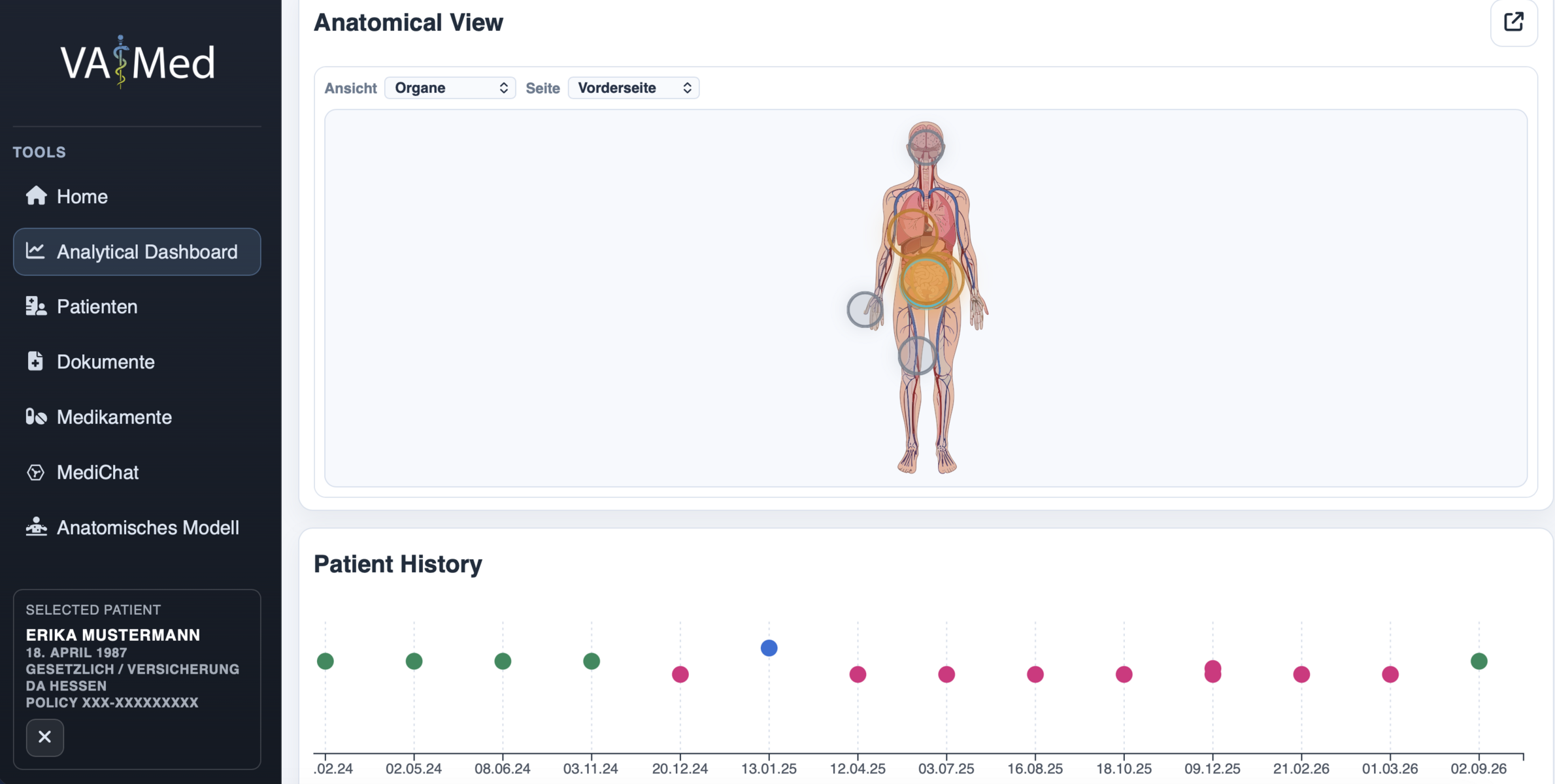
Putting people at the heart of healthcare – this is what effective, future-oriented medical care is all about. Yet doctors are increasingly faced with vast amounts of health data that need to be processed quickly and translated into meaningful information for patient care. A doctoral research approach is exploring how artificial intelligence can help meet this challenge. A Medical Visual Analytics System is being developed to bring together different types of health data and present them in a clear and intuitive way. By making medical findings, medication and changes in a patient’s health easier to identify, the system aims to support doctors in making informed decisions – while keeping the underlying information transparent and comprehensible.
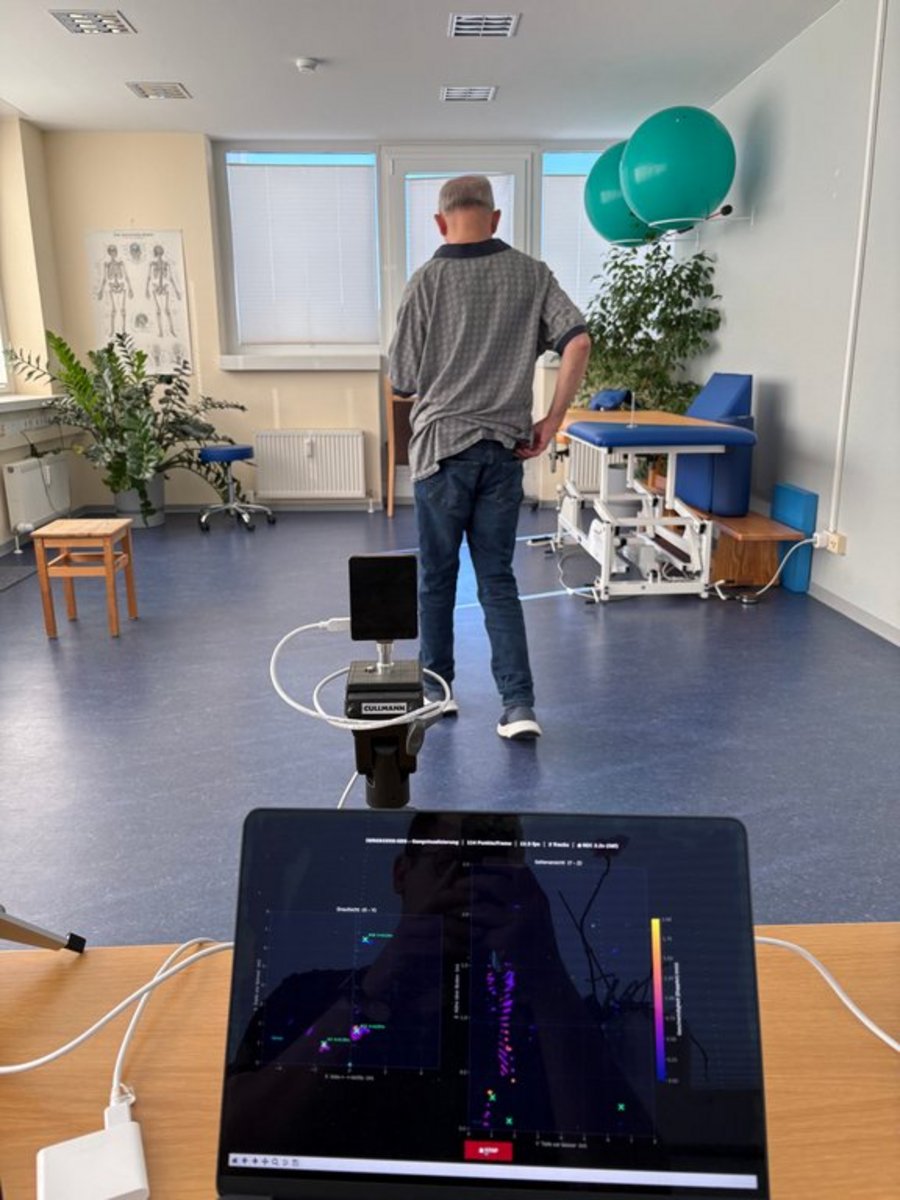
Intelligent technology can also play an important role in helping older people maintain their health and independence for longer. One line of doctoral research is exploring how microwave radar technology can be used to detect falls reliably and at an early stage. By continuously analysing movement and its context, the technology aims to distinguish genuine falls from everyday activities and reduce false alarms. This could help ensure that older people live safely in their familiar surroundings for longer, while also improving care and support in residential care facilities.
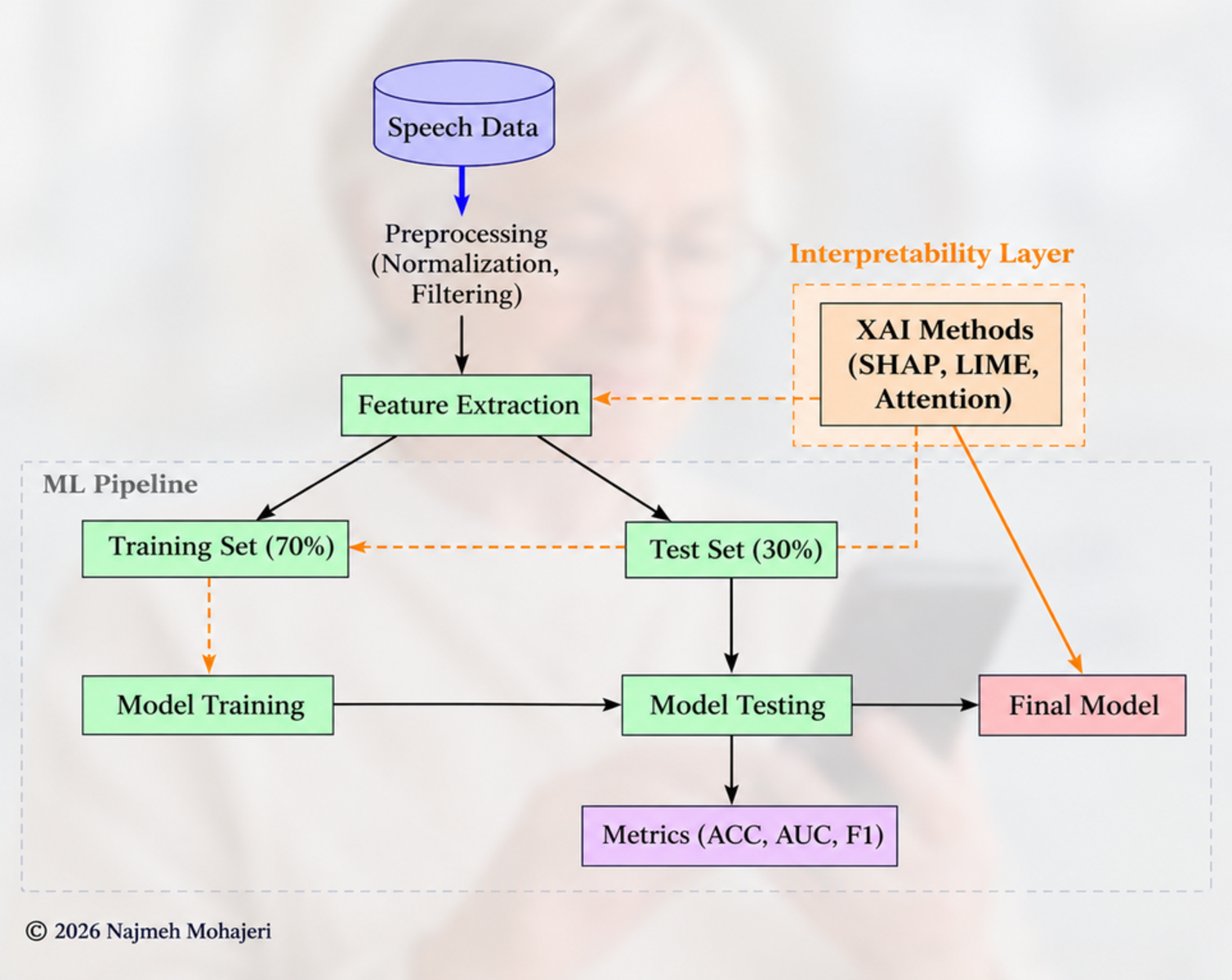
Going one step further, another line of research aims to identify age-related deficits at an even earlier stage. The project aims to detect Parkinson’s disease at an earlier stage. As the condition can manifest itself in the very beginning through changes in speech, researchers are exploring how speech data can be analysed using artificial intelligence as the basis for non-invasive screening. The approach combines medically interpretable speech features with a method that enables multiple institutions to jointly train AI models without having to exchange sensitive voice recordings. This opens up new possibilities for developing AI-supported screening methods while protecting the privacy of those affected.
The selected work at the PZAI demonstrates how scientific innovation can address some of the key challenges facing society today – from misinformation and digital inclusion to health, safety and independent living in later life.
What unites these endeavours is a shared commitment to connecting cutting-edge research with tangible societal benefits and developing solutions for the challenges of today and tomorrow. In this way, research becomes a driving force for innovation and positive change in society.